
What is the best forex trading platform when trading online?
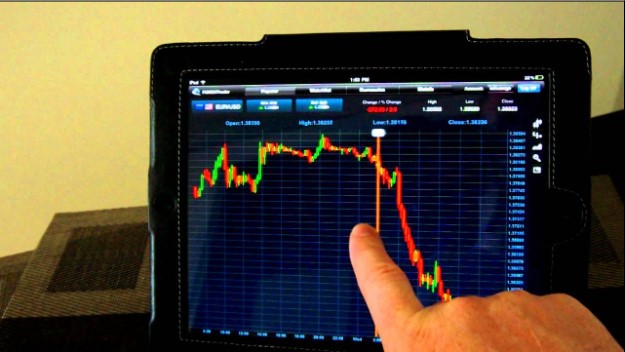
To the Indian traders, the foreign currency market may offer a variety of options to diversify the investment portfolio and may be considered an opportunity. Choosing the online trading platform based on his/her needs, trading style, and regulatory requirements is very important to succeed in forex trading. Considering the high number of products available in the Indian market, one is required to consider several factors well so that one can make an informed decision.
Indian Regulatory Compliance: An Understanding
Before the traders use platform features, they have to concentrate on regulatory compliance. Strict guidelines have been generated by the Securities and Exchange Board of India (SEBI) alongside the Reserve Bank of India (RBI) that regulate currency trading. In the case of legal trading activities, only the platforms that are approved by these regulatory bodies must be considered.
Licensed platforms offer an additional layer of protection, so that business assets are not commingled with customer funds. They also have open reporting systems as well as safeguarding investment plans. Prior to opening an account, traders must verify the regulatory status of a platform on the official websites of the relevant regulatory bodies.
Evaluation of Safety Measures and Their Security and Platforms
The security factor is the most significant in deciding which platform to use in financial trading. Premium services also have banking standards of security, like two-factor access to accounts and encryption of data through an SSL connection. Those platforms that are in compliance with international security standards and maintain periodic security audits demonstrate that they are willing to protect the user’s information and money.
Moreover, during extreme market conditions, platforms should have negative balance protection that would protect the traders against losing more than what is in their account. Leveraged trading is of particular interest to this feature because of the possible losses when prices can quickly fluctuate significantly.
Examining Trading Expenses and Fees
Spread-based platforms usually include expenses in the bid-ask spread but do not charge commissions. Commission-based platforms typically charge separate transaction costs and offer tighter spreads. The most cost-effective alternative should be determined by traders by calculating overall trading costs depending on their anticipated trading volume and frequency.
Overnight financing rates, deposit fees, withdrawal fees, and inactivity fees are examples of hidden expenses that can have a big effect on overall profitability. Traders may make well-informed cost comparisons thanks to transparent platforms that explicitly reveal all applicable costs up front.
Beyond just currency pairs, market coverage also includes trading hours, market depth, and the caliber of execution throughout several trading sessions. To maximize possible trading opportunities, platforms with worldwide market access offer the ability to trade across Asian, European, and American sessions.
Examining Technical Analysis Features and Trading Instruments
Advanced trading systems offer thorough analytical tools to help with well-informed decision-making. In-depth technical indicator libraries, a variety of chart formats, trend analysis drawing tools, and connection with an economic calendar are all essential elements.
Interface and Platform Usability
The usability of the platform has a big impact on user experience and trading efficiency. With user-friendly interfaces and adaptable layouts, traders can arrange data anyway they see fit. Mobile applications ought to provide all the features of desktop equivalents, allowing for cross-device trading.
Order placement systems should be straightforward, reliable, and provide a variety of order types, including market, limit, stop-loss, and tail stops. Scalping tactics that demand quick order execution may benefit from one-click trading tools.
Quality customer service and educational materials show a platform’s dedication to trader success. Trading is improved overall by thorough learning resources, webinars, video tutorials, and attentive support staff.
Leverage Capabilities and Margin Needs
Acts of leverage availability are dependent on risk management guidelines and regulatory limitations, platform-wise. The trading rules of forex prohibit leverage among retail traders in India; however, authorized outlets do not exclude competitive ratios of leverage by operating within regulatory bounds.
Required margin sets the size of money needed to open positions of a certain size. The trading platforms with the adaptable margin policy allow traders to distribute the cash over multiple positions in the most efficient way possible without exceeding the risk levels that are considered acceptable.
To traders, dynamic leveraging schemes that change the leverage with market volatility or the account equity may provide additional risk protection. Effective management of leverage is enabled through the understanding of margin levels and stop-outs by the traders.
Speed of Execution and Order Processing
Profitability is frequently determined by execution speed in online forex trading in India, particularly for short-term methods. Generally speaking, platforms that make use of cutting-edge technological infrastructure provide reduced slippage and quicker order execution in typical market circumstances.
Execution quality is typically higher when direct market access and institutional-grade liquidity sources are used. In order to show their dedication to processing orders fairly, platforms must offer transparency reports and execution data.
The quality of execution on all platforms may decline during significant news events or periods of market volatility. Better platforms, however, continue to perform comparatively steadily even under difficult market circumstances.
Different Types of Accounts & Minimum Deposits
Various account kinds serve a range of trading profiles, from novices to experts. New traders experimenting with forex markets can benefit from basic accounts, which usually have smaller minimum deposits but greater spreads.
Advanced account types typically have greater minimum deposits but offer more features, narrower spreads, and reduced commissions. High-volume traders may benefit from VIP accounts’ specialized support, unique research, and favorable trading circumstances.
Accessibility of the site is improved by offering a variety of payment methods and flexible deposit and withdrawal choices. Businesses must make sure that such cryptocurrency forms of payment are valid in India despite the increase in their popularity.
Conclusion
The best forex platform trading needs to be selected after considering several factors, including cost effectiveness, available features, and regulatory compliance, as well as personal trade requirements. The traders should prefer platforms with great regulatory status, distinguishable prices, great security, and wide abilities to trade. In the ever-changing forex market, investing the time to carefully consider choices using demo accounts and contrasting features across several platforms will result in better trading outcomes and more educated judgments.