Norway Tour Packages That Combine Northern Lights With Scenic Winter Travel
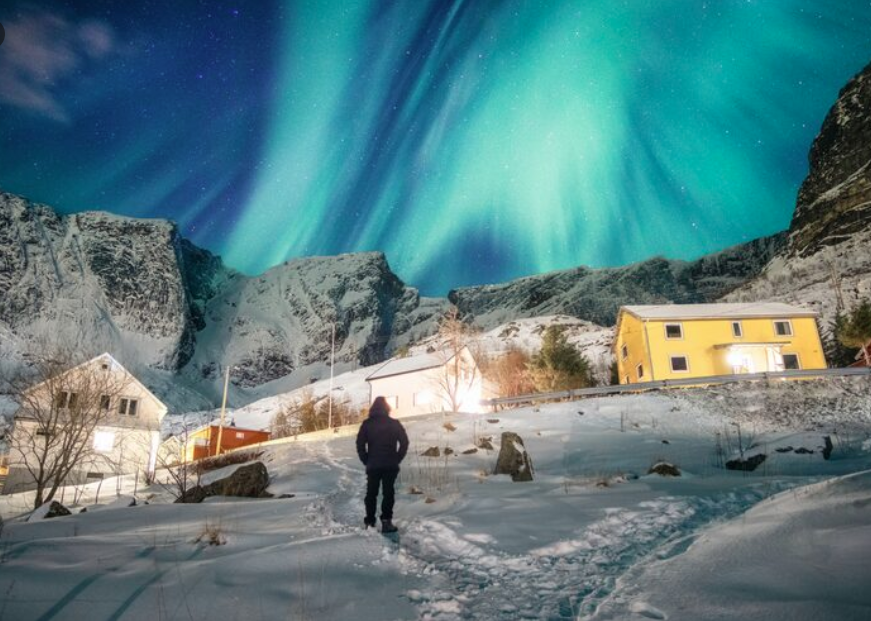
Norway’s winter travel planning is unique because the best trips are built around two moving factors: daylight scenery and night-sky conditions. Snow-covered fjords, Arctic coastlines and quiet mountain roads can create outstanding daytime journeys, while clear, dark evenings may allow aurora viewing.
This blog explains how to plan aurora viewing in Norway, which scenic winter travel options are typically included, and which Norway tour packages suit different travellers.
Understanding the Northern Lights Experience in Norway
The Northern Lights, or aurora borealis, are caused by solar particles interacting with gases high in the atmosphere, creating shifting light patterns. Northern Norway sits within a latitude band where auroral activity can be visible during the darker nights, but visibility depends on several conditions.
Clear skies are essential, and light pollution can reduce the visibility of the aurora. Moonlight can also affect contrast. Because these factors change quickly, effective winter planning typically prioritises multiple viewing nights and the ability to change direction to find clearer skies.
Best Winter Regions in Norway for Combined Scenic Travel and Aurora Viewing
The strongest winter itineraries balance two needs: scenic daytime travel and dark open viewing areas at night. Regional choice also affects transfer time, road safety and the likelihood of clearer skies.
Tromso: The Arctic Capital
Tromso is widely used as a northern base because it offers easy access to both Arctic scenery and darker areas outside the city. The surrounding region includes fjords, mountain backdrops and coastal roads that remain visually rewarding even with limited daylight. For aurora viewing, operators usually head to darker areas outside the city and adjust the route to find clearer skies.
Lofoten Islands: Dramatic Landscapes Under the Aurora
The Lofoten Islands are chosen for strong winter landscapes, with sharp mountains, open coastal views and small villages surrounded by snow. Daytime travel can feel highly scenic, but winter driving requires careful pacing due to narrow roads, bridges and sudden weather shifts. Aurora viewing is possible across the islands, yet coastal cloud can be frequent, so a well-structured plan usually includes more than one night and avoids over-packed daytime transfers.
Scenic Winter Travel Experiences Included in Norway Tour Packages
A winter trip should not rely only on the aurora lights. Strong daytime travel keeps the journey worthwhile on nights when cloudy skies block the view.
Fjord Cruises in Winter
Winter fjord cruises focus on slow, scenic movement through steep landscapes where snow highlights cliff lines and mountain slopes. The low sun angle can create softer light and strong contrasts on clear days, so timing is important. Cruises are often scheduled during the brightest part of the day, keeping evenings free for aurora lights. They can also reduce long road transfers, which may improve comfort when temperatures drop and driving conditions become difficult.
Arctic Train and Scenic Rail Journeys
Rail travel can be an effective way to enjoy winter scenery while staying warm and limiting time on icy roads. Scenic train journeys can support steadier pacing across regions, especially when daylight is short and road conditions are uncertain. Trains also help protect energy for late-night viewing, which is often overlooked in winter planning. Where possible, rail journeys are placed in daylight hours so the scenery remains visible and the day feels purposeful rather than purely logistical.
Snow-Based Activities
Snow-based activities add variety and can complement both fjord and Arctic landscapes. Inclusions often focus on guided outdoor experiences that fit within limited daylight and follow safety guidance for winter conditions. Timing matters, as these activities are usually scheduled earlier in the day to leave space for rest before late evenings.
Types of Norway Tour Packages Available for Winter Travellers
Winter package types differ mainly in how fixed the schedule is and how easily routes can change with the weather. The best options allow time for rest and several chances to see the aurora, without rushing the scenic travel.
Fully Guided Group Tours
Fully guided group tours typically include accommodation, transport and a defined set of excursions, with a guide managing timing and winter logistics. This structure can help when road conditions change quickly, and viewing plans requires fast decisions. Many Norway tour packages in this format schedule several evening attempts, rather than treating aurora viewing as a one-night activity.
Semi-Independent and Customisable Packages
Semi-independent packages often include hotels, key transfers and a recommended route, while leaving choice over excursions and daily pacing. This approach can suit winter travel because rest is essential after late evenings, and viewing plans may need to change when clouds move in. Travellers comparing winter options may notice that Iceland tour packages are often planned with similar flexibility because the weather can change quickly.
Luxury Winter Experiences
Luxury Norway tour packages tend to focus on comfort, smaller groups and quieter stays, often with more personalised routing. Smaller group sizes can make it easier to change direction quickly when forecasts suggest clearer skies in a different area. Even at higher comfort levels, visibility remains dependent on natural conditions, so well-designed itineraries still prioritise multiple chances and sensible travel distances.
Best Time of Year to Book Northern Lights and Scenic Winter Packages
Season choice affects both aurora viewing and the quality of daytime scenery. Booking timing is also influenced by school holidays and flight availability for travellers.
- Late September to Early November: The north becomes darker earlier, and early winter scenery starts to appear. Travel demand is usually lower than in peak months, though cloudy conditions can still affect plans.
- Late November to January: Nights are longest, which increases the time available for viewing. Holiday travel often raises demand, so that earlier booking can help with availability.
- February to mid-March Daylight increases for scenic travel, while nights remain dark enough for aurora activity. Snow conditions can feel more stable for winter experiences.
- Late March to Early April: Longer days support smoother travel pacing, and northern areas can still offer dark nights. Seasonal transition can vary by region, so route planning becomes more important.
Conclusion
A winter itinerary that blends aurora viewing with scenic travel works best when it is designed around realistic conditions. Region choice should support strong daylight landscapes and workable viewing areas at night, without demanding exhausting transfers. Multiple evenings, dark locations away from strong lighting and forecast-led routing improve the overall plan without implying certainty. When daytime elements such as fjords, train travel and snow activities are planned around short daylight, the trip still feels worthwhile even when the weather is not ideal.