
From Vision to Reality: Shubhodeep Das Leads Hylife Global Foods’ Factory Launch in Doi Lor
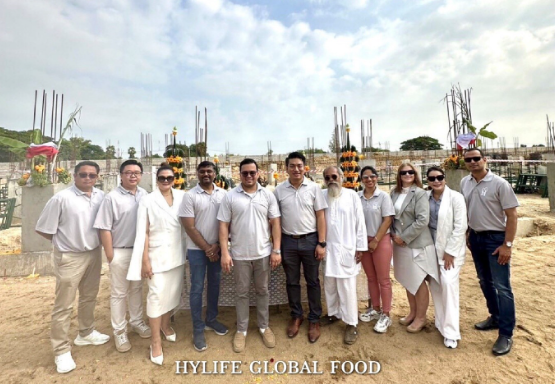
The leading step by Shubhodeep Prasanta Das, Hylife Global CEO, Foods’ Factory Launch in Doi Lor is a significant step towards regional economic development, agricultural innovation and community empowerment in Northern Thailand. Strategically located in a region known for its fertile soil and rich agricultural traditions, the factory is more than just an industrial facility; it serves as a bridge connecting local farmers, modern food production and an expanding market.
A strategic location capitalising on the region’s unique strengths
Doi Lor is a long-standing agricultural hub, where rice, fruit, vegetables and herbs are prized for their freshness and quality. The decision to locate the factory here was no coincidence, as it offers benefits such as easy access to raw materials, lower transport costs, fresher produce and lower carbon emissions associated with supply from long distances.
The location will enable the factory to enter both domestic and export markets, connecting the rich agricultural landscape of Northern Thailand to urban consumers and international buyers seeking authentic, sustainably sourced foods.
Reviving the local economy
In the areas of food processing, quality control, packaging and logistics, local job creation will provide stable incomes and help reduce migration from rural areas to cities, which often leads to labour shortages in rural areas.
In addition, partnerships with local farmers will create stable demand for agricultural products, helping them receive better prices and plan their crop production more reliably. This mutually beneficial relationship will not only strengthen the supply chain but also contribute to the long-term sustainability of the rural economy.
Advanced food quality and safety standards
Equipped with the latest processing technology, the new factory will comply with international food safety and quality standards, including HACCP, ISO 22000 and GMP. This will ensure that products meet the strict requirements of the market, paving the way for high-end retail chains, restaurants and export opportunities.
By adopting advanced storage, preservation and packaging techniques, the factory will also help reduce post-harvest losses, a long-standing challenge for local farmers. This will ensure that more produce reaches the market in top condition, improving both farmer incomes and consumer satisfaction.
Skills development and knowledge transfer
In addition to creating jobs, the factory will also provide training programs for employees and local farmers. Employees will gain valuable skills in modern food processing, quality control and machinery operation, while farmers will be trained in sustainable farming practices, crop diversification and achieving quality standards.
These training activities will have a cascading effect, providing knowledge to the local community and improving productivity, market access and long-term economic resilience.
Strengthening regional identity and branding
The factory’s product range is expected to reflect the unique agricultural heritage of Doi Lor and Northern Thailand. By branding its products with their geographical origin, the factory can differentiate itself in a competitive market and attract consumers seeking authentic, easily accessible food.
This regional branding will also boost agricultural tourism, as consumers will be increasingly interested in visiting farms, tasting fresh produce and experiencing the culture that shapes these products.
Future expansion and community partnerships
Although the initial focus is on core food products, plans are already underway to expand into value-added products such as organic snacks, herbal beverages and health foods. We will foster innovation by collaborating with local universities and research institutions to maintain our competitive edge in a changing marketplace.
Partnerships with the local community will remain central, reinforcing the factory’s role as a responsible corporate citizen through initiatives such as school lunch programs, support for regional infrastructure and sponsorship of cultural festivals.
Conclusion
The vision of Shubhodeep Das, CEO of HYLIFE GROUP, with Food install the main pillar to construct a factory in Doi Lor, Chiang Mai, is a powerful example of how industrial investment can partner with community development, environmental protection and sustainable agriculture. By creating jobs, supporting farmers, maintaining high-quality standards and promoting local identity, this factory will catalyse the long-term growth of the region.
In an era when consumers increasingly value authenticity, sustainability and ethical business practices, this facility establishes Doi Lor not just as a food supplier, but as a leader in quality, responsibility and innovation. It will not only impact the local economy but will also make Doi Lor a household name in markets beyond Thailand’s borders.