
From Concept to Screen: How a Production Company in Korea Delivers World-Class Content
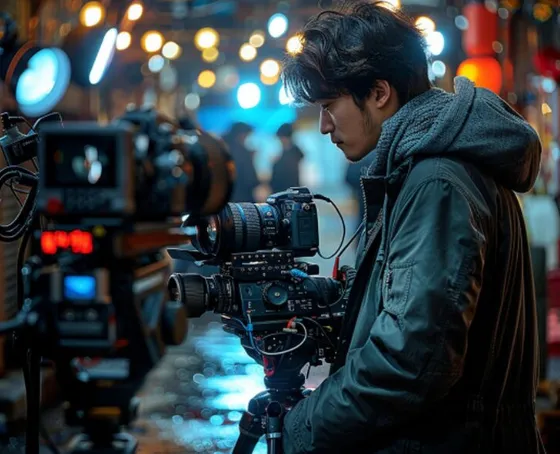
Creating professional video content involves much more than filming a few scenes and editing them together. Whether the goal is to produce a commercial, documentary, corporate film or branded campaign, successful projects require a structured process that combines creativity, planning, technical expertise and collaboration.
As demand for high-quality visual content continues to grow, businesses are increasingly seeking production partners capable of managing every stage of a project. An experienced production company in Korea provides the resources and expertise needed to transform ideas into polished content that meets international standards.
Understanding how this process works helps organizations appreciate the effort that goes into producing engaging visual stories.
Every Project Begins with Discovery
Before production planning starts, teams invest time in understanding the purpose of the project. This stage focuses on identifying goals, target audiences, key messages, and creative expectations.
Meetings and discussions allow production professionals to gather information about the client’s vision while exploring the best approach for communicating that message visually. Establishing a clear direction early helps prevent misunderstandings and creates a strong foundation for the entire project.
The discovery phase often influences every creative and strategic decision that follows.
Building the Creative Framework
Once project goals are defined, production teams begin developing the creative concept. This process may include scriptwriting, storyboarding, visual planning, and content strategy.
Creative development serves as a blueprint for production. It helps stakeholders visualize the final result while guiding filming, editing, and post-production.
At this stage, teams also determine budgets, production schedules, and resource requirements to ensure the project remains realistic and achievable.
Planning Before Production Begins
Strong preparation is essential for successful content creation. During pre-production, teams coordinate the practical details required to support filming.
Common pre-production activities include:
- Location scouting
- Casting and talent coordination
- Equipment planning
- Production scheduling
- Permit acquisition
- Crew assignments
- Logistics management
Effective planning helps minimize disruptions and allows production teams to operate efficiently once filming begins.
The more organized the preparation process, the smoother production tends to be.
Turning Vision Into Reality
Production is the stage where creative ideas are brought to life on camera. Directors, producers, cinematographers, and technical crews work together to capture footage that aligns with the approved concept.
Whether filming interviews, scripted scenes, product demonstrations, or documentary content, every shot is carefully planned to support the overall narrative and visual style of the project.
Attention to lighting, camera movement, composition, and performance direction helps ensure professional-quality results.
Successful productions balance creative flexibility with efficient execution throughout the filming process.
Refining the Story in Post-Production
Once filming is complete, the project moves into editing and post-production. This stage is where raw footage is transformed into a finished piece of content.
Editors organize footage, create narrative flow, and refine pacing while incorporating music, graphics, sound design, and visual effects when needed. Color correction and final quality checks further enhance the overall viewing experience.
Post-production plays a critical role in shaping how audiences experience the final content.
The Value of Professional Production Expertise
Delivering world-class content requires coordination across multiple disciplines. Working with a professional film production agency gives clients access to experienced specialists who understand both the creative and technical aspects of production.
By managing every stage of the process under one coordinated workflow, production teams help maintain consistency, improve efficiency, and ensure that projects align with client objectives.
This integrated approach allows businesses to focus on their goals while production professionals handle the complexities of content creation.
Conclusion
From initial planning to final delivery, producing high-quality content requires a combination of creative thinking, technical skill, and strategic execution. Each stage of the production process plays an important role in shaping the final result. With the right expertise and a structured workflow, ideas can be transformed into engaging visual content that captures attention, communicates messages effectively, and delivers lasting value for audiences and organizations alike.