Trek to Everest Base Camp: An Unforgettable Himalayan Adventure
The Trek to Everest Base Camp, popularly known as the Everest Base Camp Trek, remains one of the most sought-after journeys for adventure enthusiasts worldwide. This iconic route in Nepal’s Khumbu region leads trekkers to the bustling tented village at the base of Mount Everest (8,848 m), revered as Sagarmatha by Nepalis and Chomolungma by Tibetans. While the ultimate goal is not summiting the world’s highest peak, reaching Base Camp at 5,364 meters delivers breathtaking panoramas of Everest, Lhotse, Nuptse, and surrounding giants like Ama Dablam. The experience blends physical challenge, cultural immersion, and awe-inspiring natural beauty in the heart of the Himalayas.
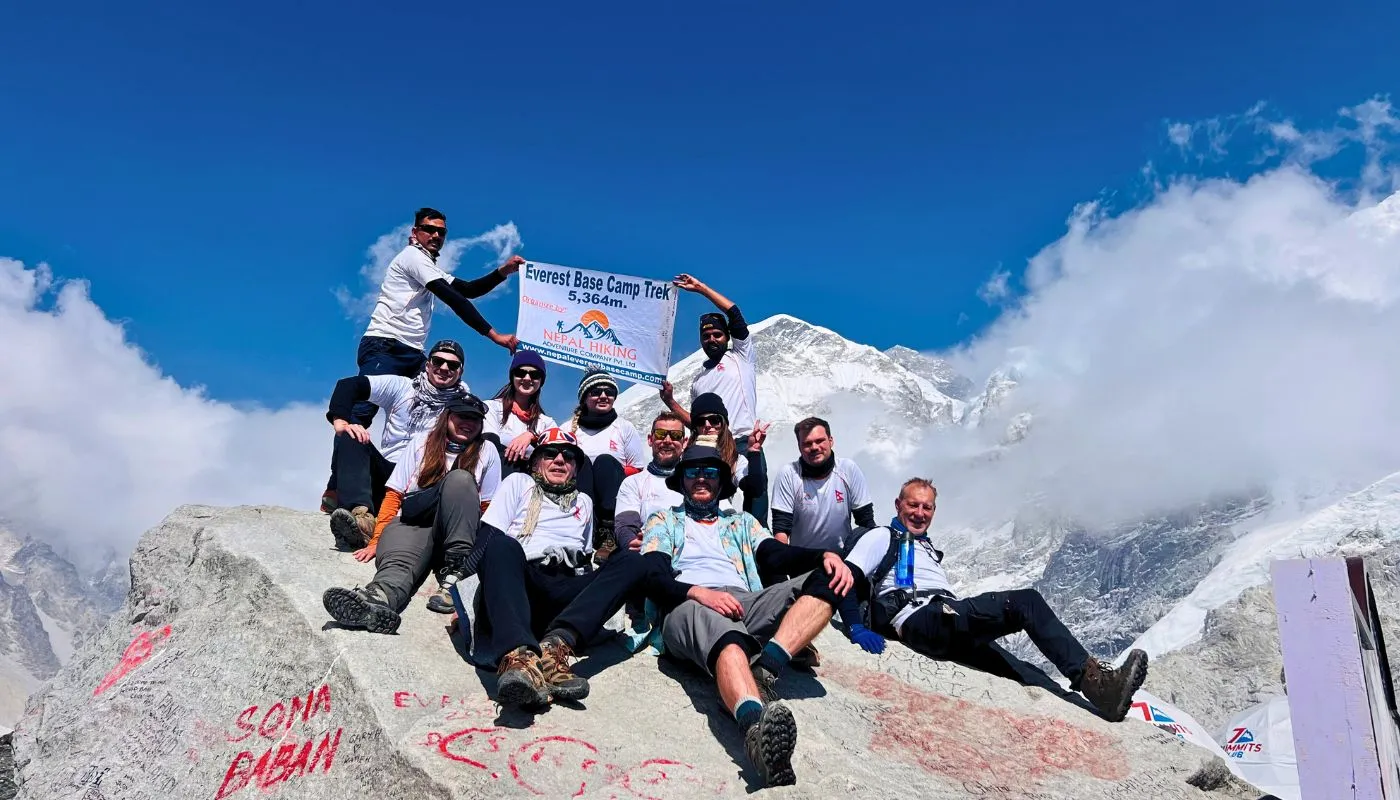
What sets this trek apart is its remarkable accessibility. No prior mountaineering expertise is required—just reasonable fitness, proper acclimatization, and a sense of wonder. Spanning roughly 12 to 16 days and covering about 130 km round trip, the path winds through lush valleys, ancient Buddhist monasteries, and high-altitude Sherpa settlements. Since the historic 1953 ascent by Sir Edmund Hillary and Tenzing Norgay, the region has evolved into a premier trekking destination, offering a perfect mix of adventure and heritage without the extreme risks of full-scale expeditions.
Exploring the Classic Itinerary
Standard Everest Base Camp Trek itineraries typically start with a thrilling flight from Kathmandu to Lukla (2,860 m), renowned for its dramatic runway carved into the mountainside. The journey begins gently, descending to Phakding (2,610 m) on the first trekking day, where trekkers cross sturdy suspension bridges over the turquoise Dudh Koshi River amid pine and rhododendron forests.
The next stage climbs steadily to Namche Bazaar (3,440 m), the vibrant hub of the Khumbu region, filled with shops, cafes, and colorful markets. A mandatory acclimatization day here often includes a side hike to the Everest View Hotel or the Sherpa Cultural Museum for stunning first glimpses of Everest and insights into local life.
Continuing onward, the trail reaches Tengboche (3,860 m) on Day 4 or 5, home to the famous Tengboche Monastery, where visitors can witness Buddhist ceremonies and enjoy sweeping views of the surrounding peaks. Further ascent leads to Dingboche (4,410 m), another key stop for acclimatization with optional hikes to nearby viewpoints like Nangkartshang Peak.
The upper sections grow more demanding: from Dingboche, the route crosses moraines to Lobuche (4,940 m) and Gorak Shep (5,164 m), the last village before the final push. Summit day involves a 3–5 hour hike across rocky terrain and the Khumbu Glacier to Everest Base Camp. Many trekkers then climb Kala Patthar (5,545 m) at dawn for the most spectacular sunrise over Everest’s pyramid-shaped summit. The descent retraces the path, allowing time to reflect on the achievements while enjoying faster progress at lower altitudes.
Recent trail improvements, including upgraded suspension bridges and better teahouse facilities, have enhanced safety and comfort without altering the core route.
Essential Preparation and Practical Tips
Thorough preparation is key to a successful Trek to Everest Base Camp. Build cardiovascular endurance, leg strength, and stamina through 3–6 months of training involving hill walks, jogging, and strength exercises. Aim for the ability to walk 5–10 km comfortably with elevation gain.
Altitude remains the primary concern. Gradual ascent with rest days minimizes the risk of Acute Mountain Sickness (AMS). Stay hydrated, eat nutritious meals, and consider preventive medication like Diamox only after consulting a doctor. Listen to your body and descend if symptoms worsen.
Gear essentials include layered clothing (base layers, fleece, waterproof jacket), broken-in trekking boots, a quality down jacket, trekking poles, a sleeping bag rated for sub-zero temperatures, headlamp, sunglasses, sunscreen, and a basic first-aid kit. A portable water filter helps reduce plastic waste.
Most participants join organized packages costing between $1,200 and $4,500 for 12–15 days, covering teahouse stays (basic but cozy), meals (often hearty dal bhat), guides, porters, and permits. Solo independent trekking is restricted; hiring a licensed guide is now mandatory for safety and local support in 2026.
Permits are straightforward: Sagarmatha National Park Entry Permit (around $30) and Khumbu Pasang Lhamu Rural Municipality Permit (around $20–25). No TIMS card is required for this region. Spring (March–May) and autumn (September–November) offer the best weather with clear skies and stable conditions, though shoulder seasons can provide fewer crowds and slightly lower costs.
Overcoming Challenges While Embracing Culture and Conservation
The trek presents real tests: long daily walks (5–8 hours), steep ascents and descents, cold nights, and thin air that can cause fatigue or headaches. Yet the rewards far outweigh the difficulties—warm hospitality in family-run teahouses, steaming cups of butter tea or Sherpa stew, and the camaraderie among trekkers from diverse backgrounds.
Sherpa culture adds profound depth to the experience. These resilient people, with roots in Tibetan traditions, live by Buddhist principles visible in fluttering prayer flags, carved mani stones, and grand monasteries. Villages like Namche and Pangboche showcase their unique architecture, festivals such as Mani Rimdu, and deep respect for the mountains. Supporting local businesses and learning about their mountaineering heritage enriches every step.
Conservation has become increasingly important. The Khumbu faces pressures from tourism-related waste, deforestation, and climate impacts. Responsible practices—using refill stations, carrying out all trash, choosing eco-friendly operators, and respecting wildlife—help protect this UNESCO World Heritage site. Many initiatives now promote solar energy, composting, and community-led projects that benefit both the environment and Sherpa communities.
Conclusion
The Everest Base Camp Trek or Trek to Everest Base Camp is far more than a physical accomplishment; it is a life-enriching voyage that fosters humility, resilience, and a deeper connection to nature and humanity. From the exhilarating Lukla landing to the golden sunrise at Kala Patthar and the heartfelt interactions with Sherpas, every moment creates memories that last a lifetime.
As you descend back toward Lukla, the mountains leave an indelible mark—not by changing themselves, but by transforming you. Whether driven by personal challenge, cultural curiosity, or the call of the world’s highest peaks, this journey delivers unparalleled rewards. With careful planning, respect for local traditions, and commitment to sustainable travel, the path to Everest Base Camp awaits as an adventure of a lifetime. Embrace the spirit of the Himalayas, tread lightly, and return home forever inspired.