Product Differentiation Strategies: How to Stand Out in a Competitive Market
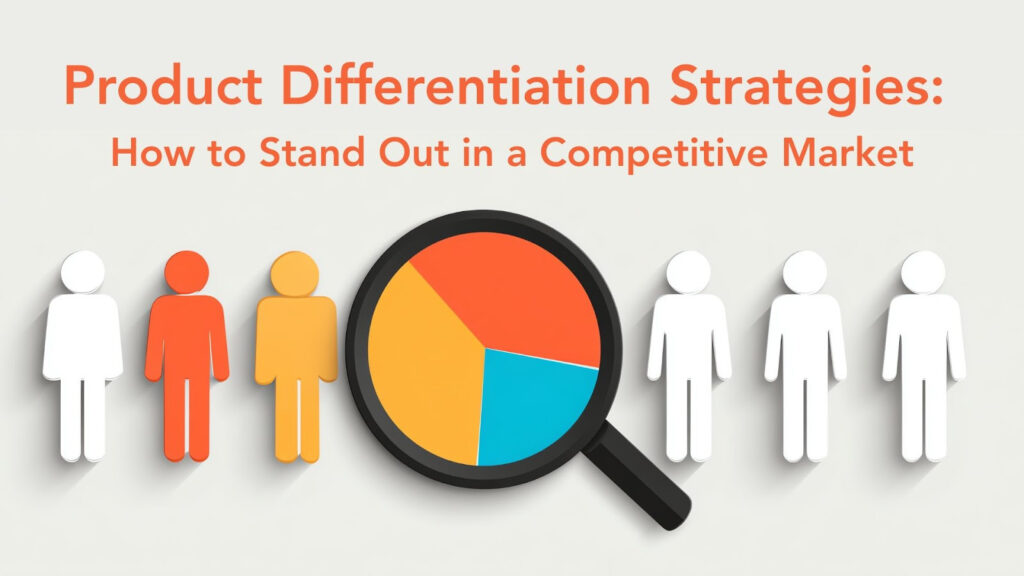
In today’s crowded marketplace, consumers are spoilt for choice. From identical products to aggressive pricing, brands face an ongoing challenge in how to stand out and stay relevant.
That’s where product differentiation becomes a game-changer. It’s not just about offering something “different”; it’s about creating something that feels distinct, valuable, and irreplaceable in the eyes of your customers.
Let’s dive into the most effective product differentiation strategies for 2025, and how businesses can combine smart marketing with flawless execution to win customer loyalty both online and at retail.
1. Understanding Product Differentiation
At its core, product differentiation is the way a brand makes its offering stand out from competitors. It can come from unique features, superior quality, design innovation, customer experience, or even brand perception.
For instance, two FMCG brands may sell the same beverage, but one can differentiate through sustainable packaging or premium retail presentation. This perceived difference builds value and drives purchase decisions.
But differentiation doesn’t stop at product design. It extends into how and where a product is seen, promoted, and experienced. This is where field marketing and merchandising agencies play a pivotal role, helping brands execute consistent, high-impact visibility at the point of sale.
2. The Three Pillars of Product Differentiation
To truly stand out in a competitive market, brands must build around three core pillars:
A. Functional Differentiation
This focuses on product performance, quality, and innovation. Brands that invest in R&D, technology, and consumer feedback often dominate this space.
Example: A skincare brand introducing AI-based skin analysis or eco-friendly formulas sets itself apart through innovation.
B. Emotional Differentiation
Here, brands connect with customers on a personal level through storytelling, purpose, and emotional resonance. Campaigns that showcase authenticity or community impact often create long-term loyalty.
C. Experiential Differentiation
This is where the customer experience from packaging to in-store presentation becomes the differentiator. The way a product is displayed, demonstrated, and promoted in stores can completely change buyer perception.
3. Bringing Differentiation to Life Through Retail Execution
A great strategy on paper means little without execution. Even the most innovative product needs visibility and consistency to make an impact.
That’s where companies add tangible value, helping brands translate marketing strategy into real-world results through services like:
- In-Store Promoter Programs : Building direct consumer engagement at retail counters.
- Merchandising Services : Ensuring every SKU, shelf, and POS display aligns with brand guidelines.
- Auditing Services : Tracking visibility, stock health, and compliance.
- On-Demand Execution : Scaling branding rollouts across thousands of stores quickly and efficiently.
Together, these ensure that a differentiated product doesn’t just exist, it’s seen, experienced, and remembered.
4. Data-Driven Differentiation: The New Advantage
In 2025, data-backed insights are driving how brands differentiate. Tools like Fieldlytics allow companies to monitor store-level performance, promoter effectiveness, and shopper behavior in real time.
This intelligence helps brands refine their messaging, adapt promotions to local preferences, and identify gaps, ensuring that every campaign drives measurable ROI.
For brands looking to scale consistently, data + execution is the winning combination.
5. Differentiation Through Consistency
One of the most underrated strategies is consistency. Consumers remember brands that deliver a cohesive experience from digital ads to retail shelves.
A consistent brand experience builds trust and reinforces uniqueness. Field marketing and reporting solutions help brands maintain this consistency across stores, ensuring that product differentiation translates into market leadership.
6. Trends Redefining Product Differentiation in 2025
Here’s What’s Shaping the Landscape This Year:
- Personalization : Hyper-customized packaging and experiences.
- Sustainability : Eco-friendly practices becoming core differentiators.
- Omnichannel Experience : Blending online discovery with offline execution.
- AI-Driven Insights : Real-time data to guide differentiation strategy.
- Local Adaptation : Custom branding for regional markets to boost relevance.
Brands that combine these trends with on-ground excellence are outperforming competitors on both visibility and conversion.
Conclusion
Standing out in today’s market isn’t just about being different; it’s about being relevant, consistent, and well-executed.
While marketing teams define strategy, success often depends on how that strategy is brought to life, through impactful retail displays, well-trained promoters, and reliable field reporting.
So if your brand is ready to move beyond “just another product,” it’s time to differentiate where it matters most: at the point of sale.